

Increasing interoperability and improving the user experience of NFC connected applications and use cases
The NFC Forum has developed a new global identifier to increase interoperability and improve the user experience of NFC connected applications and use cases. The Wayfinding Mark System will provide designers and product manufacturers flexibility while enhancing those brands that integrate contactless connections in their consumer journey.
Why Wayfinding?
Because, says the NFC Forum, NFC is different. Other wireless technologies indiscriminately broadcast their presence to the world around them – only NFC is centered on user intent. The use cases for NFC technology presume and require user control and likewise every new use case that needs user control will require NFC.
Marks that simply indicate the existence of a technology, are not sufficient for NFC. To be successful the Forum says that it must guide users to a tapping location and that in order to fulfill the NFC promise in the world, it must orient users to the proper tap location of its technology. The foundational NFC wayfinding mark, also known as the “Directional variation,” guides users to the precise location of the NFC antenna, ensuring an optimal connectivity experience.
Evocative of the original N-Mark, radio technologies in general, and common near field antenna designs, the NFC Forum suggests that this fresh new mark overtly invites users to tap and unlock the full potential of connectivity.
How to Use the Wayfinding Mark
The NFC Wayfinding System is designed to adapt for the diverse uses and consumer awareness of the technology while leveraging the continuity of learned behaviors. While the Directional variation gives the most explicit tap location guidance, certain use cases may merit the use of a variation or a complementary mark.


Simplified
The Simplified variation can be used in everyday use cases where users have a high degree of familiarity. Adopters should be careful in their choice of this variation because it provides significantly less wayfinding guidance which may be an issue for the less familiar user.

Charging
The Charging variation provides users with confirmation of NFC charging functionality and the location of the antenna. It is reserved for this use case only.


Instructional
The Instructional variations are complementary marks that can be used in cases where user awareness and knowledge of NFC technology are presumed to be low. It provides the most literal guidance of tapping from a mobile device to establish a connection.
Related Articles
Cellular IoT and LoRaWAN are complementary, not competing technologies in the smart meter sector
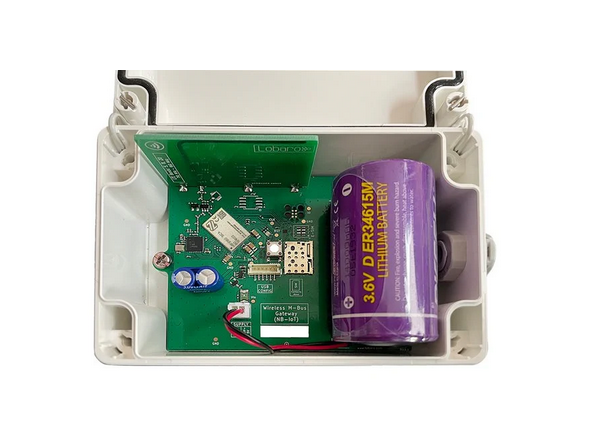
M-Bus (which is short for ‘Meter-Bus’) is a European short-range standard for the remote wireless reading of water, gas, electricity, heat, and other consumption meters.German industrial IoT solutions specialist, Lobaro, is using a Nordic Semiconductor multi-mode...

New battery-powered indoor/outdoor asset tracker using LoRa Edge
New asset tracking device utilizes Semtech’s LoRa Edge platform to reduce power consumption for indoor/outdoor asset management Semtech Corporation tells us that Digital Matter, a supplier of GPS and Internet of Things (IoT) hardware and device management software,...
Nordic Semiconductor makes AI & machine learning accessible on resource-constrained wireless IoT chips
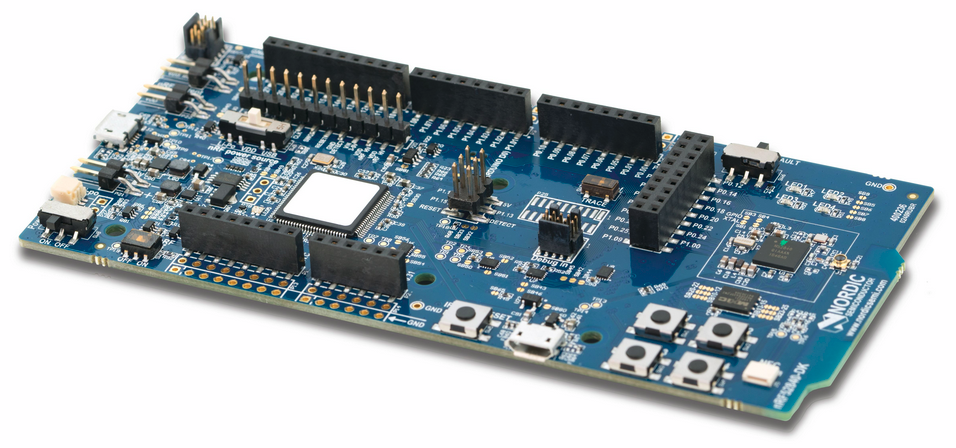
Nordic believes that with it’s nRF52 and nRF53 Series, Bluetooth customers will be the first to able to add AI and machine learning features to their applications. Nordic Semiconductor has announced that further to entering into a partnership with Edge Impulse, a...
Stay Up to Date With The Latest News & Updates
Our Sponsors
Incisor.TV partners with leading organisations in the technology sector.



Follow Us
And stay up to date with our news! We are active across the key social media platforms – please do follow us!
0 Comments