

Market is driven by the growing need to connect assets and work forces in remote and temporary locations
Berg Insight, an IoT market research provider, has released new findings about the market for cellular IoT gateways and routers. More than 4.5 million cellular IoT gateways were shipped globally during 2021, at a total market value of approximately US$ 1.15 billion. Annual sales grew at a rate of 14 percent as demand recovered following the COVID-19 pandemic. The industry experienced at the same time constrained supply of key components like cellular modules and CPUs, resulting in extended delivery times. Sales growth has continued into 2022 but will likely slowdown in 2023 as economic conditions tighten across the main regions. Until 2026, annual revenues from the sales of cellular IoT gateways is forecasted to grow at a compound annual growth rate (CAGR) of 14 percent to reach US$ 2.18 billion at the end of the forecast period.
Cellular IoT gateways include general-purpose routers, gateways and modems that provide primary or failover cellular connectivity to devices in a local network. The product category has evolved over the past decades from simple networking devices to aggregation points for devices, implementing advanced functionality for security and edge computing. The market is driven by the growing need to connect assets and work forces in remote and temporary locations as enterprises digitalise their operations.
According to Berg, Cradlepoint, part of Ericsson since late 2020, is the clear leader in the space and differentiates itself by selling its routers combined with software and services exclusively through a subscription model. Teltonika Networks is the runner up and achieved the highest growth rate in the industry of close to 100 percent. Other vendors that hold significant market shares are Cisco, Sierra Wireless and Digi International. These five vendors generated US$ 625 million in combined annual revenues from the sales of cellular IoT gateways and routers and hold a market share of 54 percent. Other important vendors include MultiTech, Lantronix, Systech and Casa Systems in the US; InHand Networks, Peplink, Hongdian, Robustel and Advantech in Asia-Pacific; and HMS Networks, NetModule, Matrix Electrónica, Westermo and RAD in the EMEA region. The European and Asia Pacific markets are fragmented with a large number of small and medium sized players that generate annual revenues in the range of US$ 5–25 million.
Related Articles
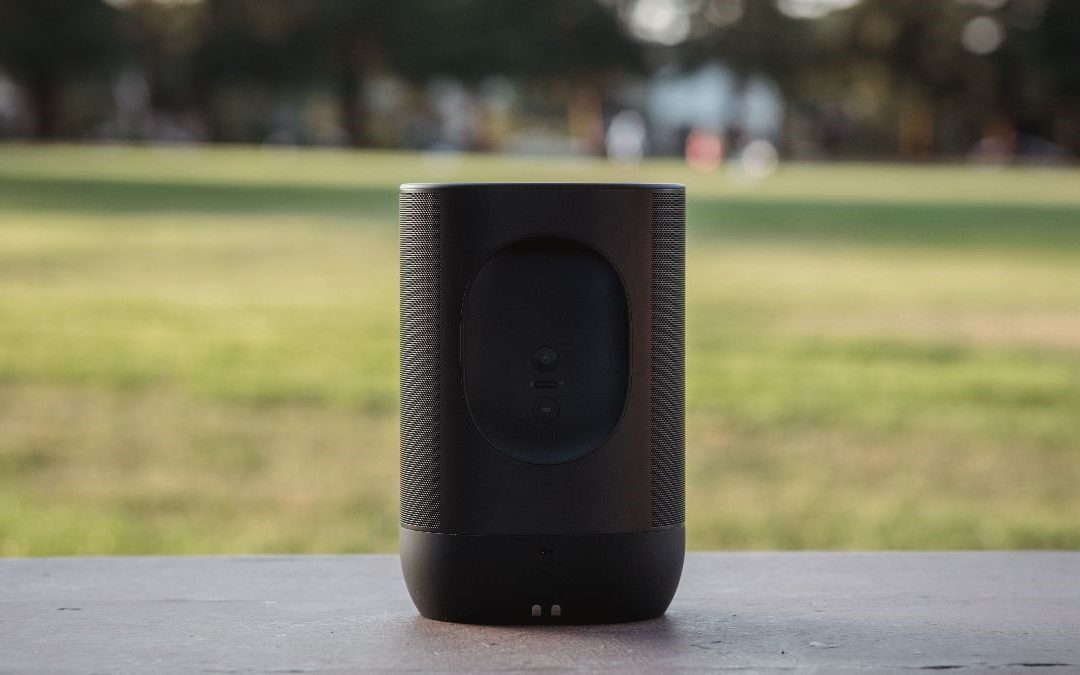
Voice-controlled portable speakers are enjoying a moment in the sun
Voice assistants and LC3 help drive portable speaker market SAR Insight & Consulting has published new research examining how a new Bluetooth codec and the rise of voice assistants are helping to drive the portable speaker market. Voice-controlled portable...
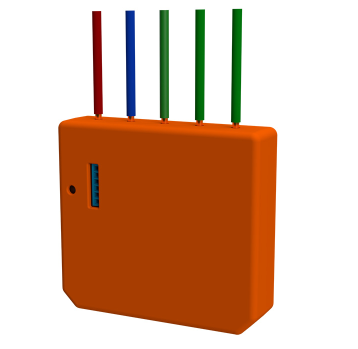
“World’s smallest Wi-Fi home automation device” – apparently
The main focus of Allterco Robotics in 2020 will continue to be the production of smart devicesBulgarian IoT company Allterco Robotics has introduced Shelly i3, claiming that this is the smallest Wi-Fi home automation device in the world. Along with it, the company...
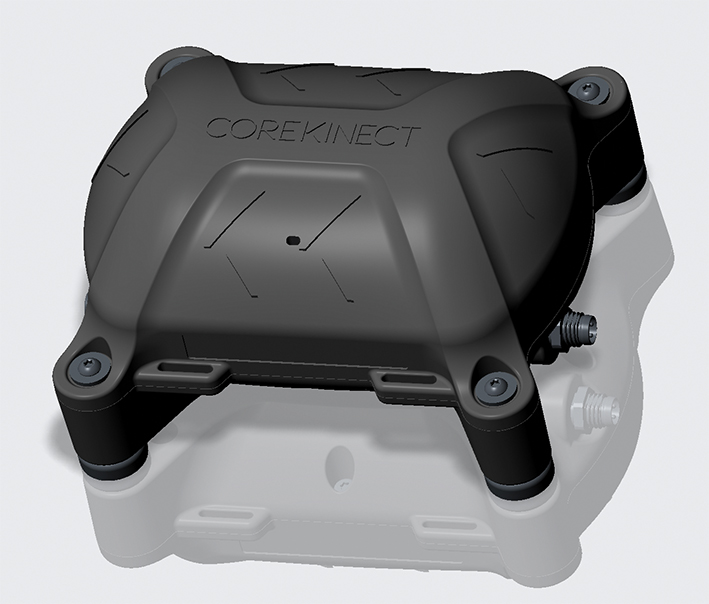
Cellular IoT farm storage tank level monitor
The battery-powered monitor lasts for 10 years and is said to pay for itself within a single saved unnecessary truck delivery. Nordic Semiconductor tells us that it's multi-mode NB-IoT / LTE-M nRF9160 System-in-Package (SiP) sits at the heart of a proprietary farm...
Stay Up to Date With The Latest News & Updates
Our Sponsors
Incisor.TV partners with leading organisations in the technology sector.



Follow Us
And stay up to date with our news! We are active across the key social media platforms – please do follow us!
0 Comments