
Smart parking, environment monitoring, smart agriculture, building automation, asset tracking, industrial control, smart metering and emergency service response are some of the use cases
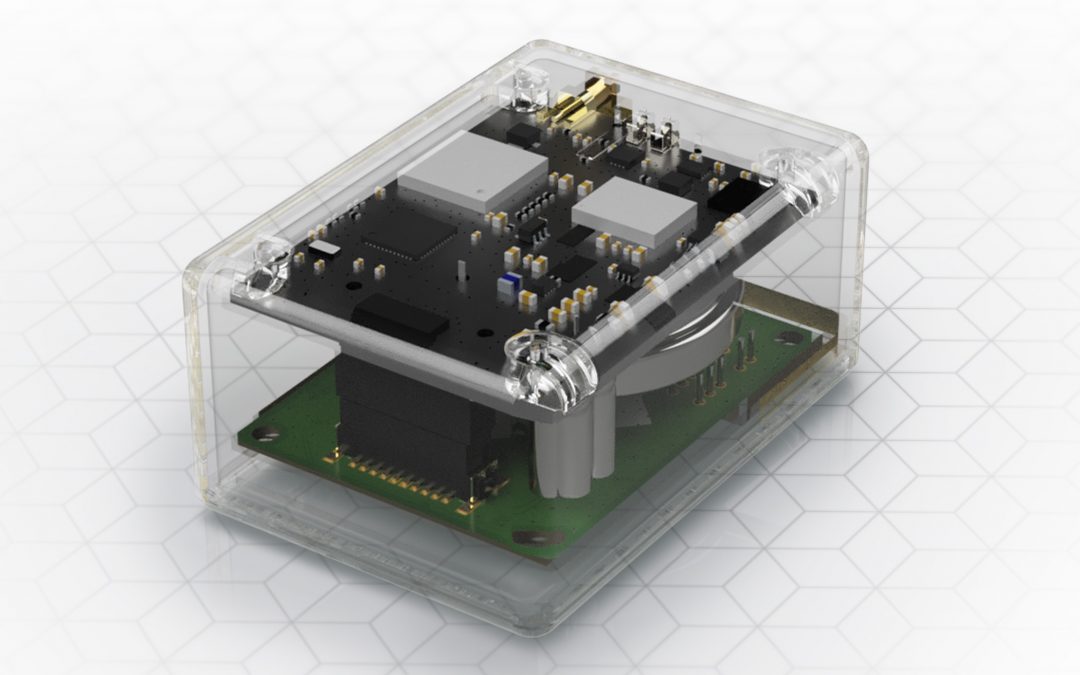
Murata, in cooperation with technology partner Sentinum, has introduced a multistack development kit for low-power wide area network (LPWAN) implementations. The Yamori dev kit features an array of wireless modules from Murata’s portfolio to accelerate evaluation activity. This allows various IoT-related LPWAN application criteria to be addressed via a single multifaceted platform that is unique to the industry. The following RF and cellular protocols have been included: LoRa, NB-IoT, Cat M1 (LTE-M) and voice over LTE (VoLTE). In addition, NFC connectivity and GNSS functionality are also encompassed and Sigfox and MIOTY can be supported by a firmware upgrade.
Within a 63 mm x 29,30 mm x 40 mm form factor, Yamori houses an LBAA0QB1SJ LoRa module and an LBAD0XX1SC cellular module. A Murata CR3677X Lithium coin battery and CT04120 secondary battery have also been incorporated, along with printed antennas, in order, says Murata, to present engineers with a fully-integrated IoT development resource. Low power operation ensures that battery life is prolonged, with as low as 1.5μA (cellular mode) being drawn when in hibernation mode. By using the kit, designers can develop solutions that deliver elevated performance parameters, while taking up little space and consuming minimal power. Smart parking, environment monitoring, smart agriculture, building automation, asset tracking, industrial control, smart metering and emergency service response are just some of the diverse use cases that this kit can be used for
“By working with Sentinum, we have been able to bring a game-changing prototyping platform to market. It provides engineers with all the building blocks upon which innovative LPWAN solutions can be implemented,” states Koichi Sorada, Product Manager of the IoT Connectivity Europe team at Murata. “No time is wasted with the integration of peripheral elements, such as antennas or a power source, since these are already included. Consequently, it is possible to move through the prototyping phase within a much shorter timeframe. Furthermore, design concepts can be adapted, rather than having to start new projects from scratch.”
Related Articles
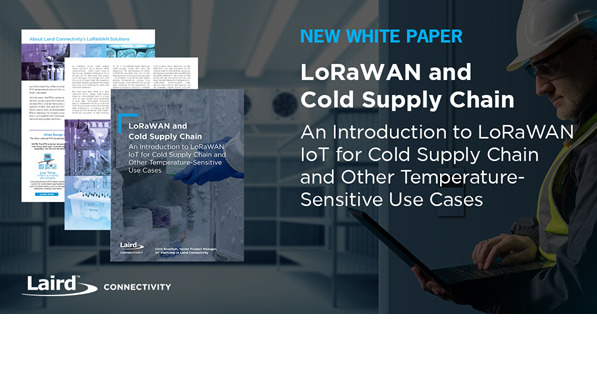
LoRaWAN and Cold Supply Chain
Laird Connectivity publishes new white paper Today, cold supply chain is a household topic in a way that no one would have predicted a year ago. Seemingly everyone has an awareness of the critical role that temperature-controlled storage and distribution is playing in...
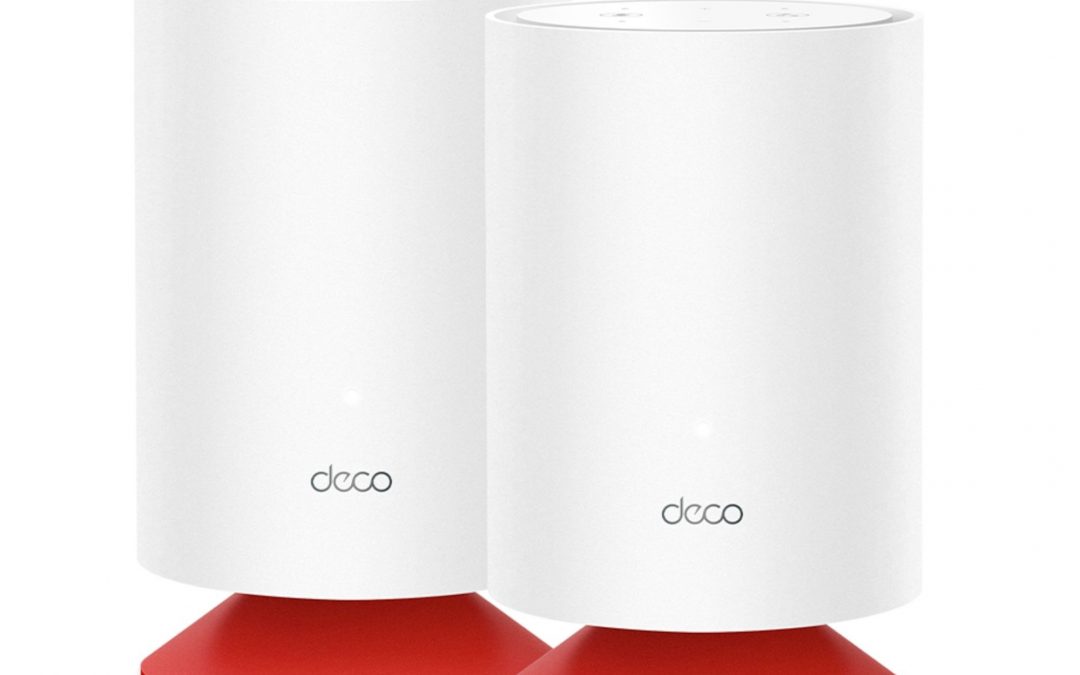
TP-Link Launches Deco Voice X20, a Mesh WiFi 6 solution with High Quality Speaker and Alexa Built-in
Deco Voice X20 is the first of the Deco range to integrate seamless WiFi TP-Link, a provider of consumer and business networking products, has announced the launch of the Deco Voice X20, its new mesh Wi-Fi 6 system with Alexa built-in, in the UK. Winner of an iF...
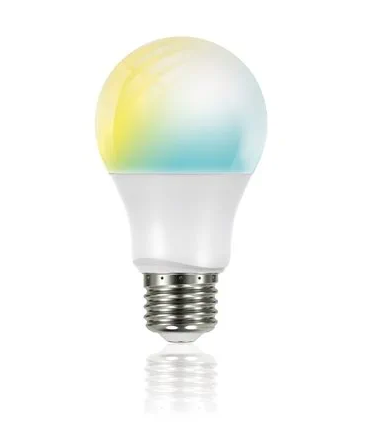
Bluetooth LE/Thread smart LED bulb enables lighting control from connected device or voice command
LEEDARSON’s A19 Tunable White Bulb uses Nordic’s nRF52840 SoC for wireless control over open-source Matter protocol Xiamen, China-based Internet of Things (IoT) technology company, LEEDARSON, has selected Nordic Semiconductor’s nRF52840 Bluetooth Low Energy (Bluetooth...
Stay Up to Date With The Latest News & Updates
Our Sponsors
Incisor.TV partners with leading organisations in the technology sector.



Follow Us
And stay up to date with our news! We are active across the key social media platforms – please do follow us!
0 Comments