
Batteryless version can operate perpetually on harvested solar energy alone
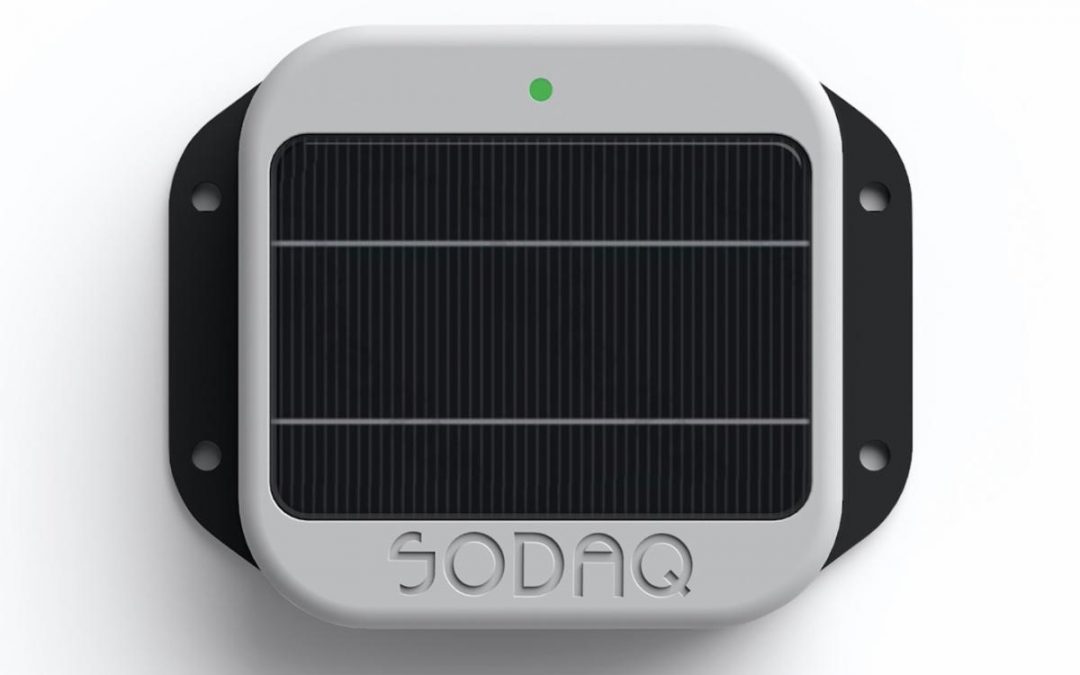
Nordic Semiconductor tells us that Dutch engineering and design specialist, SODAQ, is using a Nordic multi-mode NB-IoT/LTE-M nRF9160 System-in-Package (SiP) in what is claimed to be the world’s first solar-powered, perpetual operation cellular IoT asset tracker.
The miniaturized 80 x 80 x 11.5 mm SODAQ TRACK SOLAR device forms parts of the SODAQ TRACK asset tracking range (which includes an additional two more battery-powered variants targeting theft detection and parcel tracking and monitoring) and weighs just 100g. In low duty cycle applications comprising up to eight pings a day, SODAQ says the asset tracker will operate perpetually on harvested solar energy alone. This is said to make the tracker ideal for a wide range of logistics, offshore, site management, and general asset tracking applications.
The tracker integrates a light sensor, accelerometer, temperature sensor, and status LEDs, and is powered from a 0.5W solar panel. It also offers a positional accuracy of 5-20m for GPS, 10-50m for Wi-Fi, and 100m+ for cellular.
“As the IoT moves into having hundreds of billions of devices installed worldwide, batteries suddenly become an important issue,” commented SODAQ CEO, Jan Willem Smeenk.
Smeenk continued: “First there is the cost issue of having to check and replace batteries which in large IoT installations quickly become the single biggest cost factor over an IoT product or sensor’s lifetime. And this cost factor will become even more significant as the data subscription costs for cellular continue to fall to what I predict will be around $1 a year before long.
“Second there is the environmental impact of having billions of batteries wasted every year. To me, therefore, the future of IoT really does need to be batteryless and therefore self-powered wherever possible. And so the SODAQ TRACK SOLAR is a firm a step in that direction for cellular IoT.”
Smeenk said that the SODAQ TRACK SOLAR is able to operate without a battery by using the available hardware and software in the best possible way: “This includes the low power characteristics of the Nordic nRF9160 SiP itself, and obeying the three golden rules of low power IoT design: Sleep as often as you can, work or go active for as short a period as possible, and communicate as briefly as possible when on-air.”
Related Articles
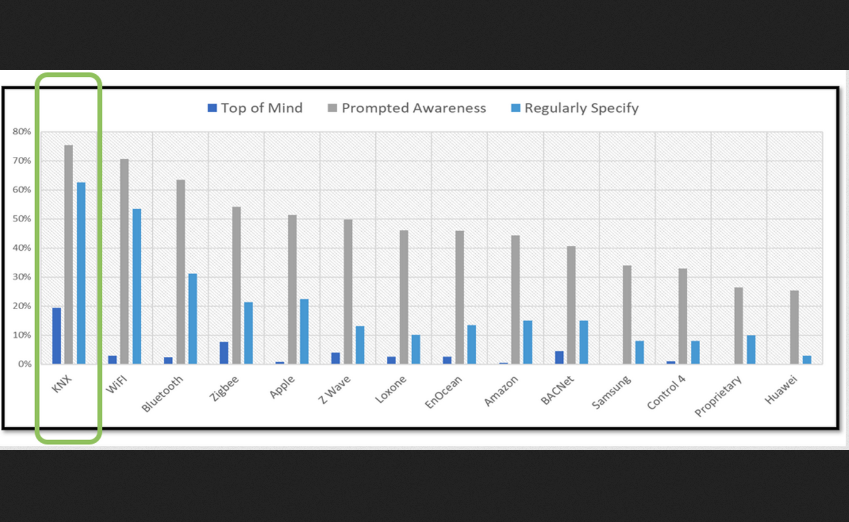
KNX tops the rankings of communication protocols known by smart home professionals
INTERNATIONAL MARKET STUDY: ALMOST TWO THIRDS OF INDUSTRY PROFESSIONALS INCLUDE KNX IN THEIR SMART HOME PROJECTS KNX tells Incisor.tv that it remains by far the most popular technical standard for home and building automation compared to other communication protocols....
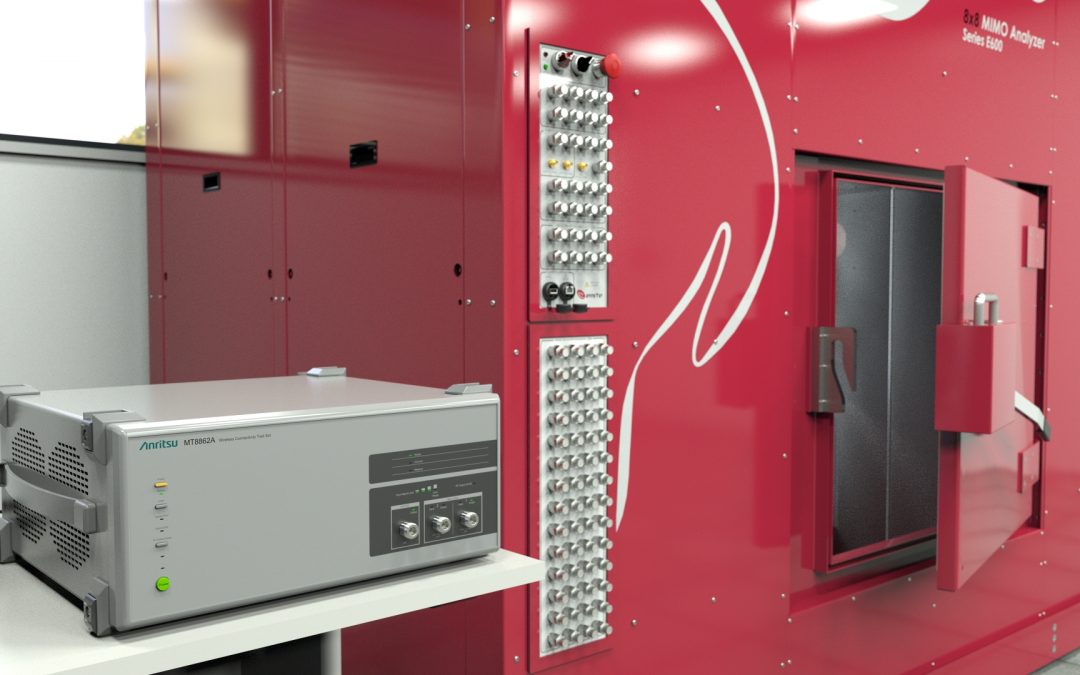
Joint EMITE and Anritsu solution adds 6 GHz band to test latest Wi-Fi 6E devices
Anritsu’s Wireless Connectivity Test Set MT8862A has been integrated with the EMITE E600 Reverberation Chamber EMITE and Anritsu Corporation have added the 6 GHz band to their newly integrated testing system, allowing testing to the new IEEE 802.11ax WLAN standard....
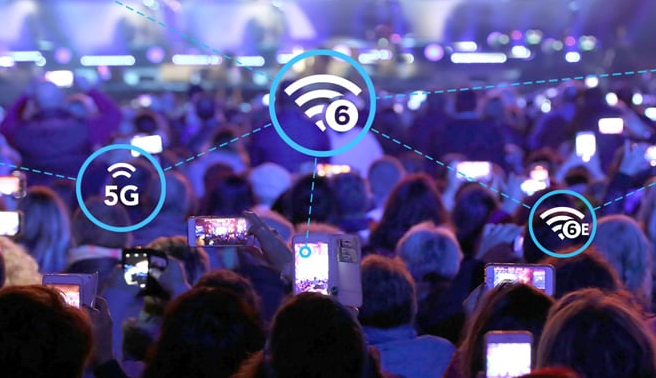
NXP: Bring out the best in your Wi-Fi 6/6E mobile devices
The numbers for 2021 are in, and there’s no doubt about the role Wi-Fi plays in modern lifeWi-Fi 6/6E is Transformative Technology It’s easy enough to understand why Wi-Fi 6 is taking off. Increased overall performance – with faster top speeds and better management of...
Stay Up to Date With The Latest News & Updates
Our Sponsors
Incisor.TV partners with leading organisations in the technology sector.



Follow Us
And stay up to date with our news! We are active across the key social media platforms – please do follow us!
0 Comments